CV Creator / CV advice /
How to Write the Education Section on a CV
The Education section is one of the most important on your CV.

Why the education section on a CV matters?
The education section is one of the first places recruiters look to check whether you meet the basic requirements for the role.
A well-written education section helps the recruiter to:
- Quickly confirm your degree level and field of study
- See if your background matches the job requirements
- Identify any specialisations, honours or key modules
- Spot extra training or certifications that make you stand out
Whether you are a student, recent graduate or experienced professional, a clear education section makes it easier for employers to say “yes” to your CV.
What to Include in the Education Section of a CV?
Your education section should give recruiters all the key facts about your degree in just a few lines. Here is what to include for each qualification.
Essential details for each degree
For every degree or main qualification, make sure you list:
- Degree title (BA, BSc, Master, etc.) and field of study
- Name of the institution (university, school, college)
- Location (city and country if abroad)
- Dates (start and end year, or “Since 2023” if still studying)
- Result or classification (2:1, distinction, honours, etc.), if it supports your application
Optional information that can strengthen your CV
You can also add extra details that show why your education is relevant for the job:
- Key modules or specialisations linked to the role
- Dissertation or final project topic, if it matches the job
- Awards, scholarships or academic prizes
- Study abroad programmes or exchange semesters
- Relevant student projects or group work
Where to Put Education on a CV: Before or After Experience?
One common question is whether education or experience should come first on a CV. In most cases, work experience comes before education, but the best order still depends on your profile and what is most relevant for the job.
- Do: Put the section that best matches the job (education or experience) at the top.
- Avoid: Mixing dates in a random order between education and jobs.
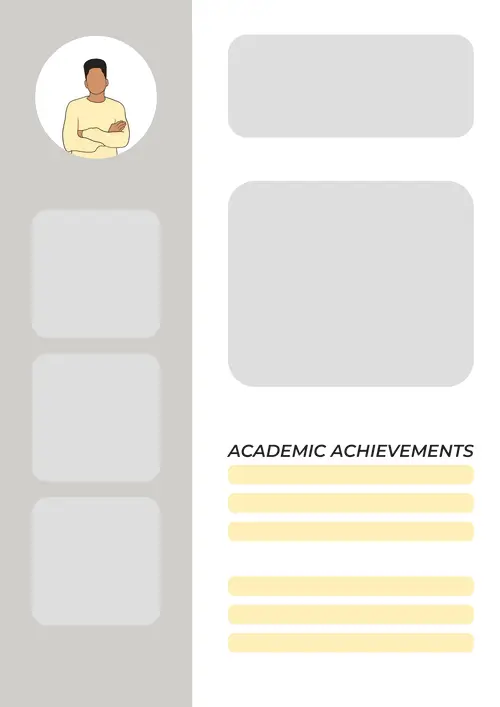
2021 – 2024
BTEC Level 3 in Business, Manchester City College (Expected)
Key modules: Customer Service, Sales Techniques, Visual Merchandising
Put your education section before work experience when it is your main strength. This is usually the case if you are a recent graduate, applying for a role that requires a specific degree, have an excellent academic record, or target academic, research or training positions.
How to List Education on a CV (Format and Examples)
To make it easy for recruiters to scan your education section, keep the format simple and consistent. Use clear dates, titles and institutions, and list everything in reverse chronological order.
Reverse chronological order for the education section
The best way to list education on a CV is to start with your most recent qualification and work backwards. This allows employers to see your highest level of education first.
A typical format looks like this:
2021 – 2024 — BSc Marketing, University of Birmingham (Expected: 2:1)
2019 – 2021 — A-levels: Business (A), Maths (B), English (B), Birmingham Sixth Form College
Use the same layout for each entry so the section looks clean and professional.
Education section examples for students and graduates
If you are a student or recent graduate, your education section is often the strongest part of your CV. You can add a little more detail to show how your studies match the job.
Example – final year student:
2021 – 2025 — BA (Hons) English Literature, University of Leeds (Expected: 2:1)
Key modules: Contemporary Fiction, Creative Writing, Communication Skills
Example – recent graduate:
2020 – 2023 — BSc Computer Science, University of Manchester – Grade: 2:1
Final project: E-commerce website improving user experience for a local business
Adding modules or projects is helpful when you do not yet have much work experience.
Education section examples for experienced candidates
For experienced candidates, education is still important but usually shorter. Employers will focus more on your work history, so keep this section concise.
Example – experienced profile:
2014 – 2015 — MSc Project Management, University of Nottingham
2010 – 2013 — BA (Hons) Business Management, University of Sheffield – Grade: 2:1
You generally do not need to list school qualifications in detail if you have a degree and several years of experience, unless the employer specifically asks for them.
How to Add Training Courses and Certifications to Your CV
Training courses and certifications show that you keep your skills up to date. They can make a real difference, especially when several candidates share the same degree.
Which training courses to include in the education section
Only include training that supports your application. Ask yourself: does this course help me look more qualified for this job?
- Prioritise courses directly related to the role or industry
- Include recognised professional certifications (for example: PRINCE2, CIPD, ACCA)
- Mention recent training (last 3–5 years) before older, less relevant courses
- Skip very basic or outdated courses that do not add value
You can place the most important training in the education and training section and the rest under “Skills” if needed.
How to list online courses and e-learning on a CV
Online courses and e-learning are useful when they come from a serious provider and relate to the job. List them clearly so recruiters can understand what you studied.
2023 — Google Analytics Certification, Google Skillshop
2022 — Online Course “Excel for Data Analysis”, Coursera
Include the course title, the provider and the year. You do not need to add every online course you have ever done, just the ones that prove relevant skills.
Should you use “Education and Training” or “Education and Certifications”?
The title of the section should reflect what you actually list. If you mainly show degrees and short courses, use “Education and Training”. This works well for most candidates.
If your value comes from official qualifications such as professional exams or licences, “Education and Certifications” or even a separate “Certifications” section may be better. Choose the option that makes your profile clearer at first glance.
Special Cases in the Education Section
Not every CV fits the classic path of “school, university, job”. Here is how to handle the education section in a few special situations.
CV education section with no degree or unfinished studies
If you do not have a degree, or left a course before finishing, you can still list your education honestly and positively.
Example – unfinished degree:
2021 – 2023 — BA (Hons) History, University of Glasgow (2 years completed)
Focus on the skills and knowledge gained, and balance this with strong sections on work experience, skills and any training you have completed.
How to list education if you are still studying
When you are still studying, show the degree as “in progress” and give the expected end date. Recruiters want to know when you will graduate.
2022 – 2025 — BSc Psychology, University of Bristol (Expected: 2025)
You can also mention key modules or projects that match the job, especially if you are applying for placements, internships or graduate roles.
Career change: highlighting relevant training on your CV
If you are changing career, the right training and certifications can help bridge the gap between your past experience and your new target role.
Put the most relevant courses high in your education section and use the description to show how they connect to the job you want. For example, a former retail manager moving into digital marketing might highlight a “Digital Marketing Certificate” or “SEO and Content Marketing” course as proof of their new skills.
The aim is to show a clear story: your education and training support your move into this new field.
Common Mistakes in the Education Section
Even a strong education section on a CV can lose impact if it is badly presented. Avoid these frequent mistakes to keep your CV clear and professional.
Common mistakes to avoid:
- Listing education in the wrong order instead of using reverse chronological format
- Leaving out key details such as degree title, institution, dates or classification
- Adding too much irrelevant information (every module, every school exam, very old courses)
- Including basic or outdated training that does not add value to your application
- Mixing different formats for dates, locations or titles, which makes the section hard to read
- Not updating the section when you start or finish a degree, or when you gain a new qualification
- Exaggerating grades or qualifications, which employers can easily check
A clean, honest and well-structured CV education section gives recruiters exactly what they need in a few seconds – and helps your profile look more professional.
Key takeaways for your CV education section
Before you finalise your CV, use this quick checklist to make sure your education section is clear, relevant and easy to read:
- List your education in reverse chronological order, starting with your most recent qualification.
- Put work experience before education in most cases, except if you are a student or recent graduate.
- Include only relevant degrees, courses and certifications that support your target job.
- Be clear and consistent with dates, titles and institutions so recruiters can scan your CV in seconds.
- Use our online CV builder to format your education section quickly and professionally.
FAQ about the Education Section on a CV
Do I need to include GCSEs if I have a degree?
If you have a degree and several years of experience, you usually do not need to list every GCSE. In most cases, you can simply mention “GCSEs including Maths and English” or leave them out completely. Only list full GCSE details if the employer specifically asks for them or if you are at the very start of your career.
How do I list a degree I haven’t finished yet?
List the degree as normal, but show that it is in progress and add the expected end date. For example: “2022 – 2025 — BSc Psychology, University of Bristol (Expected: 2025)”. If you stopped studying before finishing, you can write “2 years completed” and focus on the skills gained.
Should I include online courses on my CV?
Yes, include online courses if they are relevant to the job and come from a recognised provider. List the course title, platform or institution and the year, for example: “2023 — Google Analytics Certification, Google Skillshop”. There is no need to list every short course you have done – focus on the ones that prove useful, up-to-date skills.

Use our online CV builder to format your education section in minutes
Choose a template, enter your details and let our online CV builder instantly format your education section – so you can download a professional CV in just a few minutes.
Got it – create my CV